Bus of Democracy: Young People on the Path to Dialogue with Local Authorities
BY eatech
Bus of Democracy: Young People on the Path to Dialogue with Local Authorities
August 31, 2026
What happens when young people are given the space to bring their ideas directly to decision-makers and engage with them as equals in a setting built on dialogue and shared learning? This was the central focus of the Bus of Democracy: Building Trust and Cooperation between Young People and Local Authorities programme, organised by CIVITAS with support from the RYCOgnizing YPS granting scheme, supported by German Cooperation and implemented by RYCO.
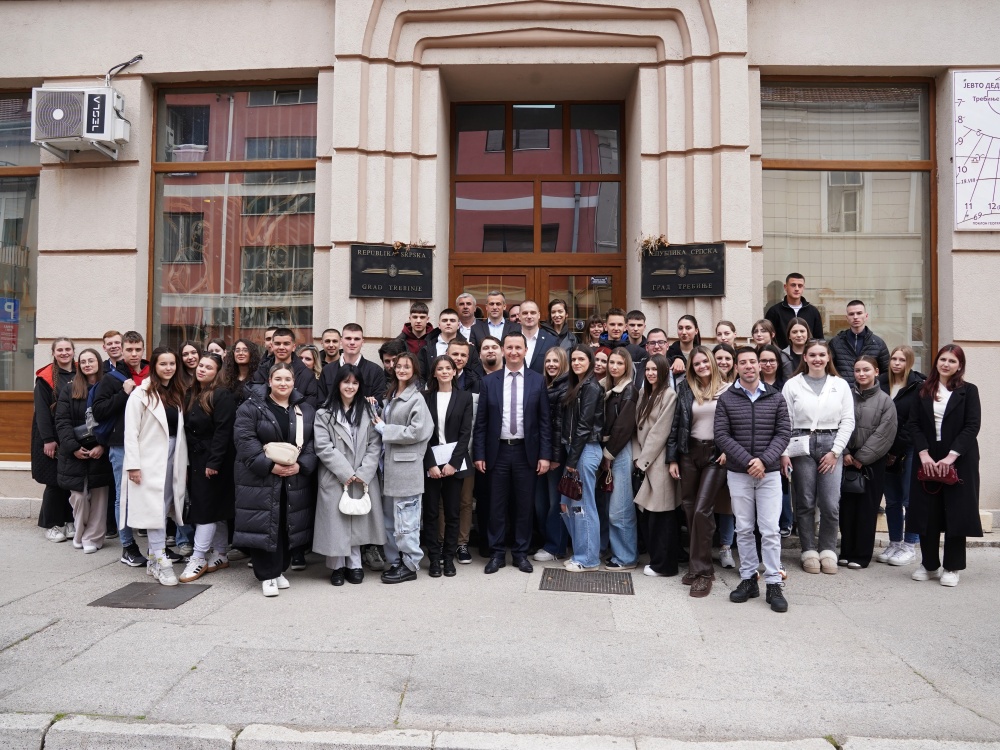
Over several months, more than 40 young people from across Bosnia and Herzegovina came together in a process of joint learning, exchange, and the development of concrete initiatives rooted in the needs of their local communities. The programme was designed to give young people more direct access to institutions and to create a space for ongoing dialogue on issues that affect them most.
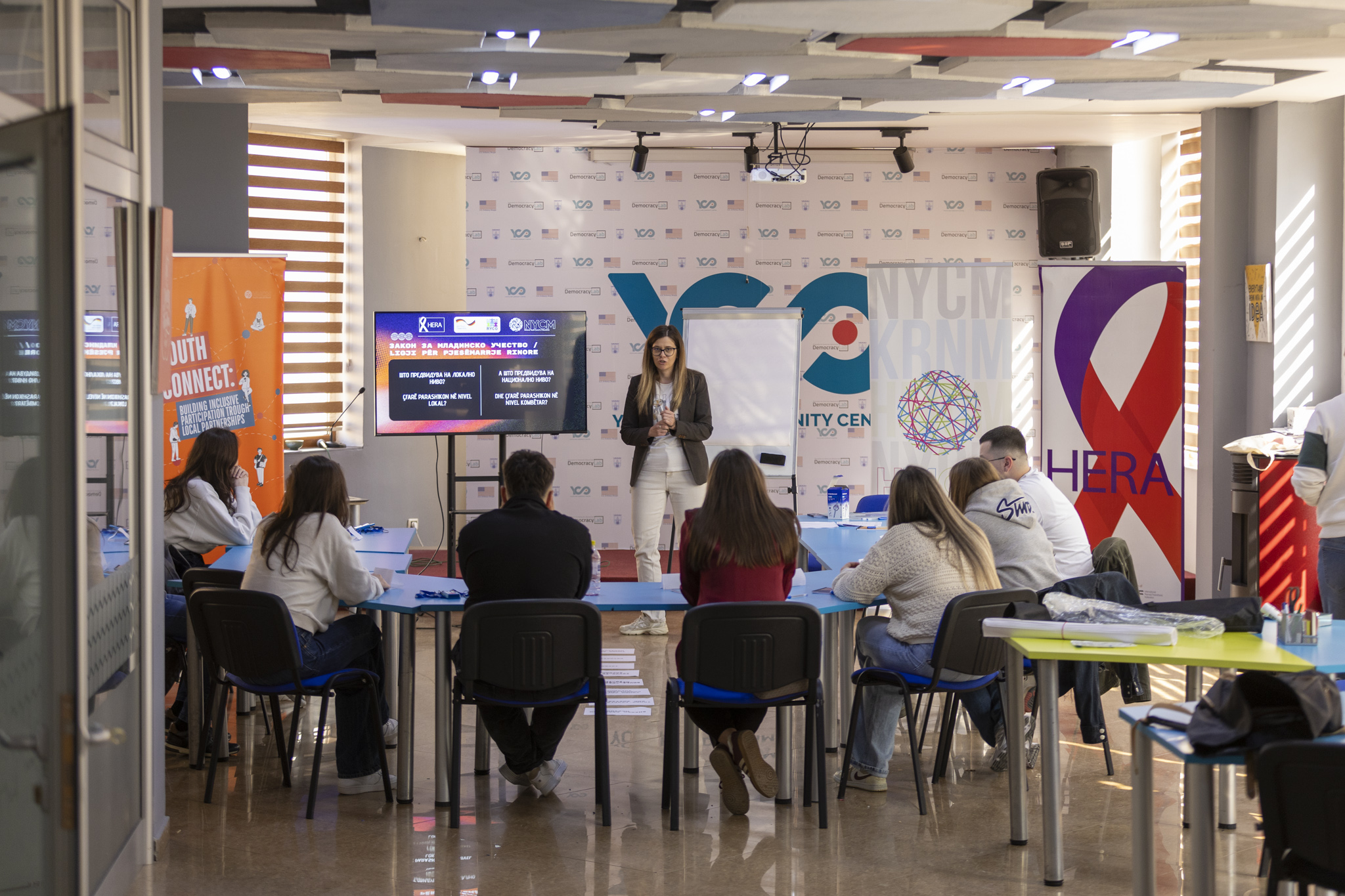
The process started with a hybrid training, combining online sessions with a final in-person meeting in Sarajevo. Through workshops and group work, and with the support of trainers, participants explored challenges in their communities and developed six youth-led initiatives.
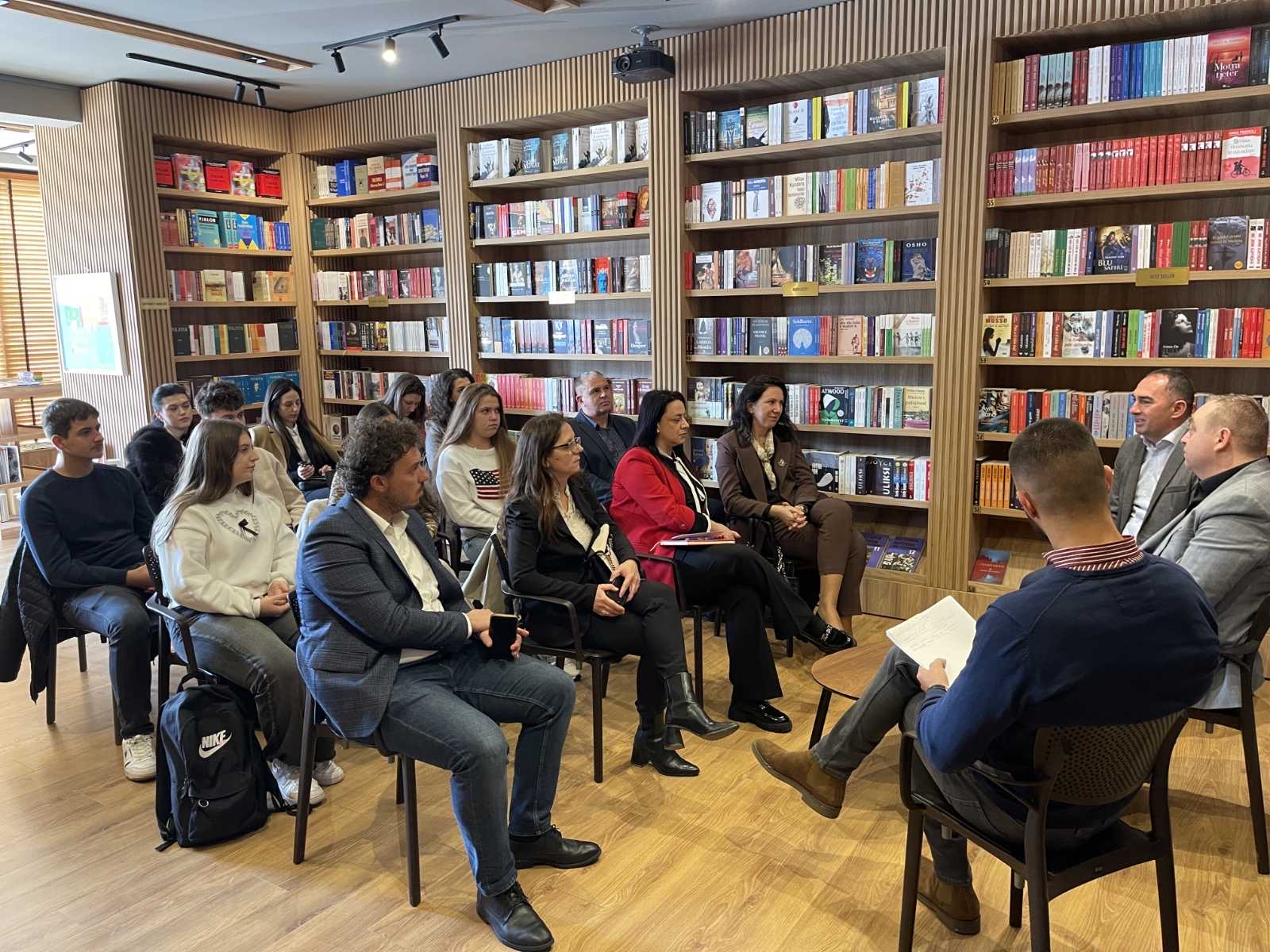
These initiatives did not remain at the level of ideas. They were taken on the road and presented during the Bus of Democracy tour across several cities in Bosnia and Herzegovina, where young people met and engaged directly with local authorities. In each local community, alongside meetings with decision-makers, participants also connected with local youth and took part in joint activities, creating additional space for peer exchange and shared learning from different local realities.
In Tuzla, participants put forward an initiative to establish a Youth Forum of the City of Tuzla as a permanent mechanism for public consultation with young people on employment, education, and civic engagement. The initiative aims to institutionalise dialogue between youth and local authorities, improve access to information on support programmes, and make better use of community resources.
In Bijeljina, they presented an initiative introducing temporary subsidies for student accommodation in municipal motels and hostels as an urgent measure to ensure more affordable and safer housing for students, while also supporting the local economy and addressing the lack of student dormitory capacity.
In the Brčko District of Bosnia and Herzegovina, participants presented an initiative to establish a Youth Hub as a central platform for developing young people’s digital skills and cyber literacy, alongside stronger involvement in public decision-making and the management of shared resources. During discussions with local authorities, it was noted that the initiative could be considered for inclusion in the Brčko District Youth Strategy — an important sign of institutional recognition and potential long-term uptake.
In Široki Brijeg, they presented an initiative to establish a Youth Bank as a dedicated budget line managed by the Youth Council, aimed at funding youth projects in education, volunteering, entrepreneurship, culture, and environmental protection, with a strong focus on participatory decision-making and transparency.
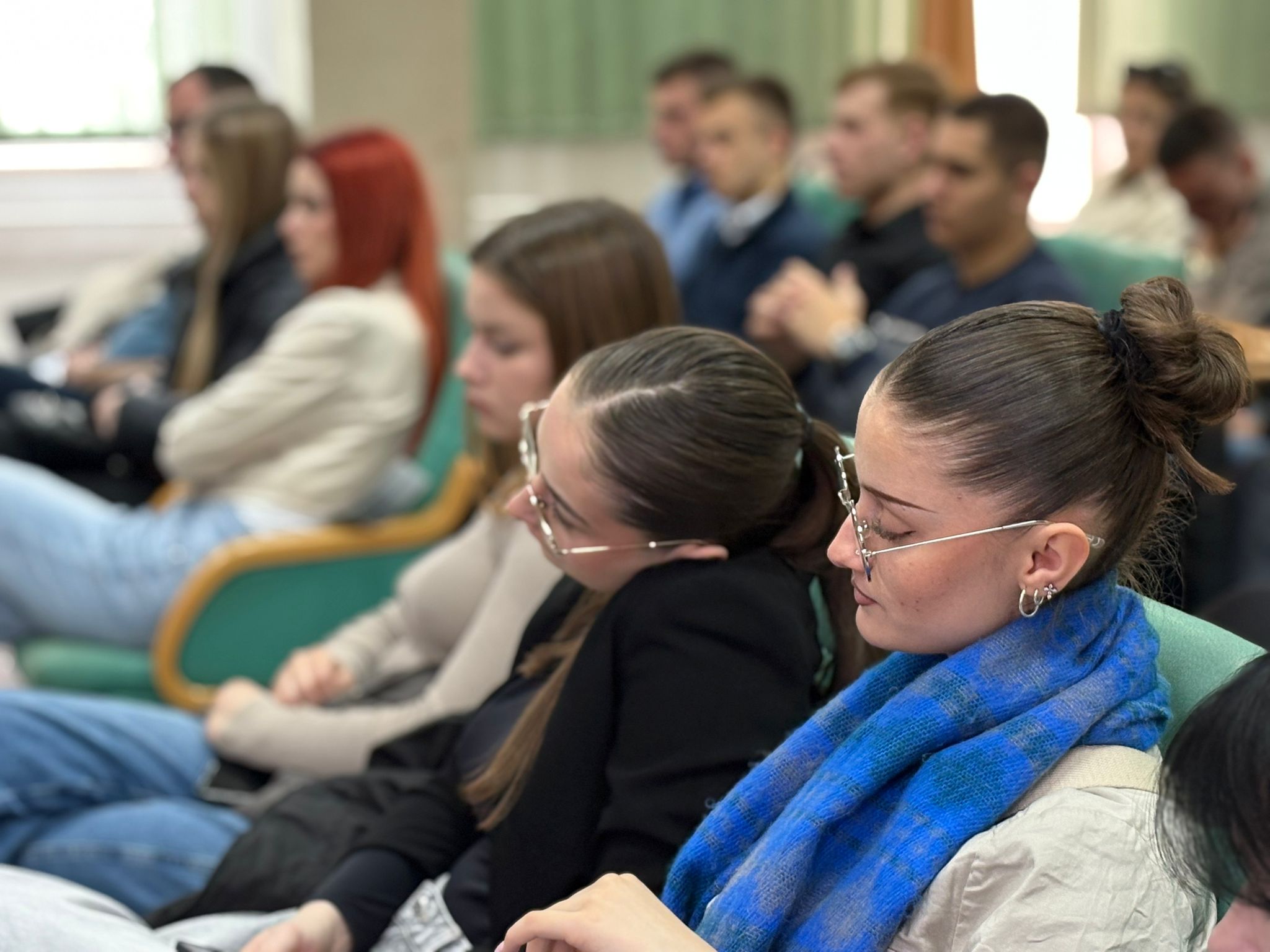
In Trebinje, participants presented an initiative for a digital platform and mobile application for reporting municipal issues, aimed at improving urban cleanliness, enabling faster responses to citizen reports, increasing transparency, and strengthening citizens’ role in managing public space. At this stage of the programme, young people from Montenegro also joined, further enriching the exchange and allowing for comparison of experiences and challenges across different local contexts in the region.
In Konjic, they presented an initiative to convene a Citizens’ Forum on sustainable mobility and tourism development — a participatory process bringing together citizens, young people, local authorities, and relevant stakeholders to co-develop a comprehensive plan for improving mobility, tourism offerings, and local economic development.
While each city had its own context and priorities, the overall outcome of the programme was a genuine space for dialogue between young people and local authorities. In most cases, there was openness to continued communication, and local representatives acknowledged and commended the enthusiasm of young people and their strong motivation to take part in decision-making processes.
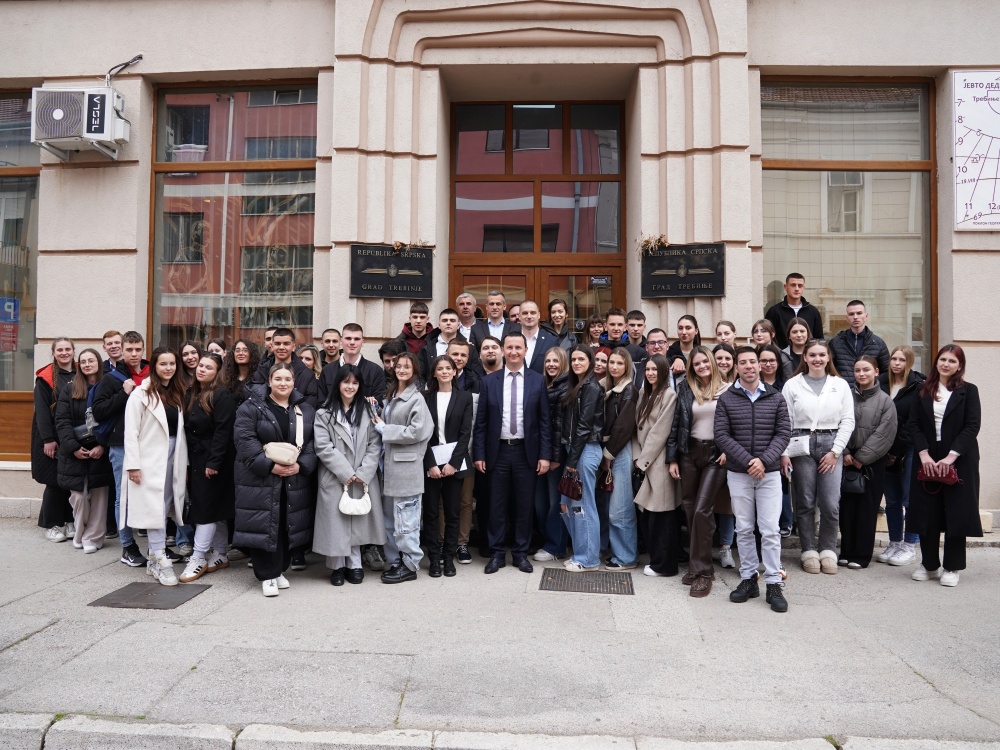
Another important dimension of the programme was the connections formed among participants themselves. Young people of different ages and educational and professional backgrounds - high school students, university students, employed and unemployed youth, worked, travelled, and learned together. In doing so, they discovered both how similar their challenges are and how much value different perspectives can bring to finding better solutions.
This willingness to listen, understand, and build together perhaps best captures the essence of the programme.
As one participant, Safet Bašić, reflected:
“This is not only about building trust and cooperation between young people and local authorities, it is also about building trust and cooperation among us, young people.”
In that statement lies the broader meaning of the Bus of Democracy — a programme that not only strengthens relations between youth and institutions, but also builds lasting connections among young people as a foundation for active citizenship and collective action.